


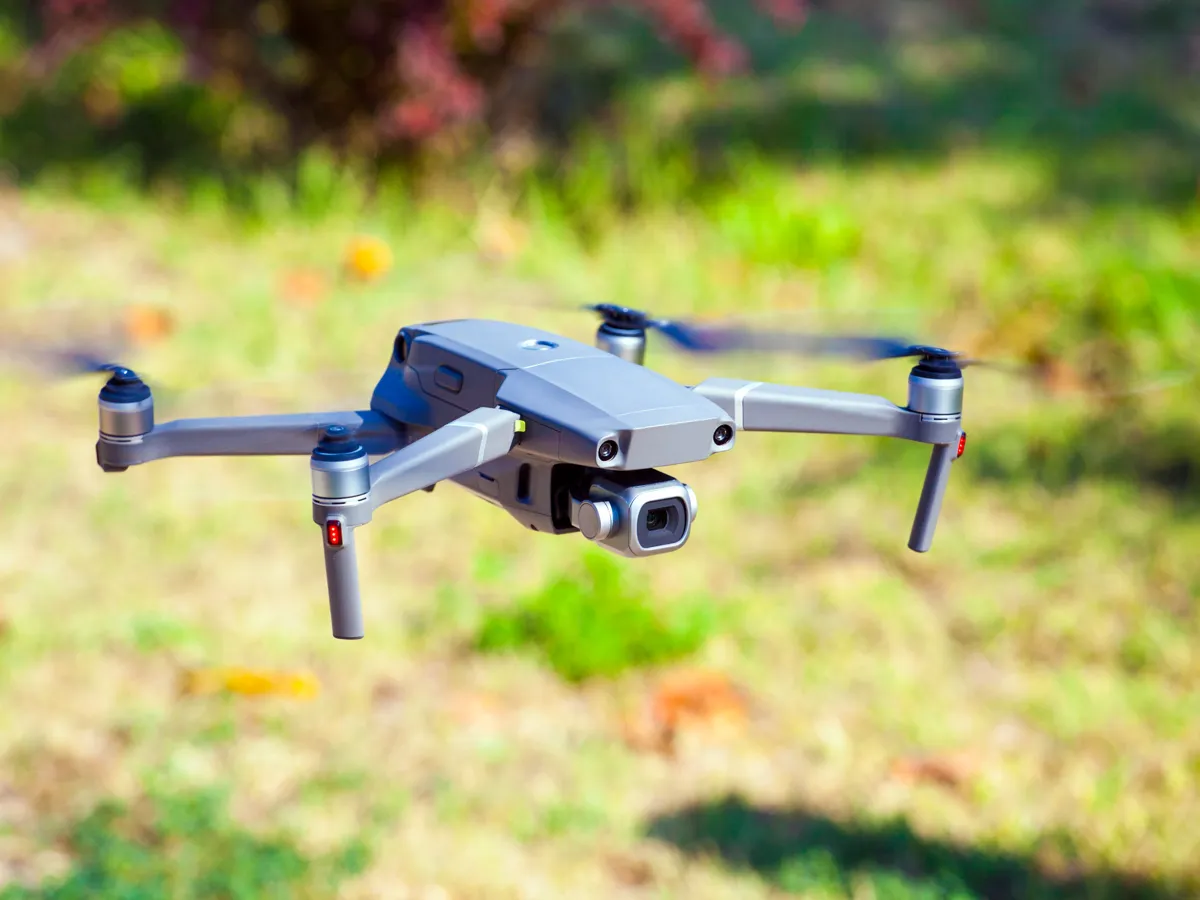
The short answer: if your drone weighs 0.55 pounds or less and you fly it just for fun, you don’t have to register it with the FAA. That makes these small camera drones the easiest kind to own in the US. You do still need to take a free online safety test and follow a few simple rules.
That’s why so many first drones are sold at “249 g,” just under the FAA’s line. Below: why that line matters, what these small drones can do, and where to find our picks.
Why the weight matters
The FAA’s line is 0.55 pounds, about 250 grams, a little over half a pound. Above it, the FAA wants a drone registered, which costs $5 and means labeling the drone and carrying a certificate. At or under it, a drone flown only for fun is exempt.
What doesn’t change with weight:
- The free FAA safety test. It’s called TRUST, it’s online, and you pass it before your first flight. Carry proof when you fly, and save or print the certificate: if you lose it, you take the test again.
- The basic rules. Stay at or below 400 feet, keep the drone where you can see it, give way to planes and helicopters, and get permission before flying near airports. The FAA’s free B4UFLY service, offered in several apps, shows whether you’re near one.
- Flying for anything but fun is different. Flying for a business is work flying to the FAA, and even an unpaid favor, like filming for a charity, can count. Then even a small drone must be registered, it must broadcast Remote ID (a signal that identifies it in flight), and you need an FAA pilot certificate. When in doubt, the FAA says to assume the work rules apply. It explains where the line falls on its page for recreational flyers.
- Local rules. States, cities and parks can have their own drone rules, so check before flying somewhere new.
What you get at this size
Small doesn’t mean toy. DJI’s Mini 4 Pro, for example, folds to about the length of a smartphone, though much thicker. It films 4K video. DJI rates it for up to 34 minutes per battery in still air, so real flights are shorter. Many of our picks also come back to you on their own if the signal drops or the battery runs low, by their makers’ descriptions.
The trade-offs are real, though. A light drone gets pushed around more in wind than a big one, and the cheapest models have simpler cameras and fewer safety features.
One more thing to know before you shop: a maker’s “under 249 g” figure is for the drone with its standard battery, propellers and memory card. The FAA counts everything attached at takeoff. DJI says its Mini 4 Pro weighs more than 249 grams with the larger “Plus” battery. By DJI’s figures the Plus battery is about 43 grams heavier than the standard one, which puts the drone well over the line. With that battery it must be registered and broadcast Remote ID, even when flown for fun. Before you buy a bundle, check which battery it includes.
Buying one now
In December 2025 the FCC, which approves electronics for sale in the US, added foreign-made drones to a list that stops new models from being approved. When we checked in October 2026, models it approved before then could still be sold, bought and flown (FCC fact sheet). A later FCC proposal targets large and specialized “military-grade” drones, not small camera drones, and says it wouldn’t affect drones people already own. Rules can change, so check the FCC’s current list. For now, the choice in US stores is narrower than it used to be, and stock can come and go.
Start here
The fastest legal drone money can buy
Our six picks, from a low-cost starter drone to a folding 4K camera drone that senses obstacles, and which are the fastest. None has to be registered when flown for fun with its standard battery, and all were sold in the US when we checked in October 2026.
The best drone to give as a gift
Who a small drone suits, which one fits which person, what to buy with it, and the two things the new owner must do before flying.
Do I have to register my drone?
The FAA basics in plain words: what the exemption covers, the free safety test, and the rules for your first flight.
Common questions
Can a child fly one of these drones?
Yes. The FAA’s free safety test has no minimum age, so a child can take it and fly for fun under the same rules as everyone else. We’d suggest an adult helps with the first flights. If a drone ever does need registering, the owner must be 13 or older, or an older person registers it for them.
I'm visiting the US. Does this apply to me?
The FAA says visitors from other countries have extra steps. Its page for recreational flyers links to “International UAS Operators in the United States.” Check that page before you travel, and your airline’s rules for packing drone batteries.
Sources
- FAA: Recreational flyers and community-based organizations
- FAA: How to register your drone
- FAA: The Recreational UAS Safety Test (TRUST)
- FAA: Flying for work or business (Part 107)
- FAA: Aeronautical Information Manual, 11-2 (recreational flyers)
- eCFR: 14 CFR 48.15, requirement to register (weight at takeoff, everything attached)
- DJI: Mini 4 Pro specs (weight with the standard and larger batteries)
- FCC: Fact sheet and FAQs on foreign-made drones and the Covered List (January 7, 2026)
- FCC: Public notice DA 26-758 on previously authorized foreign drones (July 21, 2026)
- FAA: Remote identification of drones
- FCC: Covered List